June 26, 2026
As temperatures rise, keeping your plants healthy and vibrant can become challenging. Learning the best strategies to tackle the summer heat is essential for any gardener. Exploring various methods ensures your plants not only survive but thrive during the scorching summer months. Cultivating a garden is a rewarding experience, but the sweltering summer heat poses a unique set of challenges that require careful planning and execution. Visiting a local plant store can provide you with the right regional varieties and expert advice needed to maintain a resilient garden under intense sunlight and persistent heat.
Understanding Plant Needs
Identifying the species of your plants is critical to understanding their heat tolerance. Every species has a different threshold for heat endurance, and recognizing this can aid in planning appropriate care. Heat tolerance is heavily influenced by the plant's origin, as native species are often more adaptable to local climate conditions. Some species may exhibit wilting or leaf scorch if exposed to prolonged heat, signaling a need for intervention. Cultivating an understanding of which options thrive in high temperatures can mitigate stress and enhance the robustness of your summer garden.
Visible signs of heat stress include wilting, curling leaves, and discoloration. Wilting often occurs because the plant is unable to keep up with the moisture loss through transpiration under hot conditions. A deeper examination reveals that leaves may appear scorched or show signs of sunburn, which is indicative of excessive exposure to the sun's rays. Monitoring for these symptoms allows for quick action, possibly saving your greenery from irreversible damage. Affected greenery should be immediately provided with adequate shade and proper hydration to recover.
Developing an optimal watering schedule is crucial to support health during summer. Watering should ideally be done in the early morning or late evening when temperatures are lower and evaporation is minimal. Ensuring that water deeply penetrates the soil helps foster a strong root system capable of accessing deeper moisture reserves. Consistent hydration helps in maintaining turgor pressure within cells, which is crucial for structural integrity. Staff at your neighborhood plant store can recommend specific moisture-monitoring tools to help you avoid dehydration and weakened health during peak summer temperatures.
Implementing Smart Watering Techniques
Deep irrigation ensures that water reaches the critical root zone where it can be effectively utilized for growth. Unlike surface watering, which often leads to shallow root development, deep irrigation encourages roots to grow deeper into the soil. This technique involves slow, consistent watering to allow moisture to permeate downwards, resulting in a more drought-resilient system that can tap into lower soil moisture levels. A robust root system ultimately enhances overall stability and resilience against environmental stressors.
Timing your watering schedule is crucial to maximize water retention and minimize evaporation. Early morning and late evening are optimal times for watering, as cooler temperatures allow for better absorption. Watering during the heat of the day leads to rapid evaporation, wasting resources and failing to provide adequate soil moisture. Furthermore, avoiding watering in direct sunlight reduces the risk of leaf scorch caused by water droplets acting as magnifying lenses. By adhering to this schedule, you ensure that greenery remains hydrated during the hottest parts of the day.
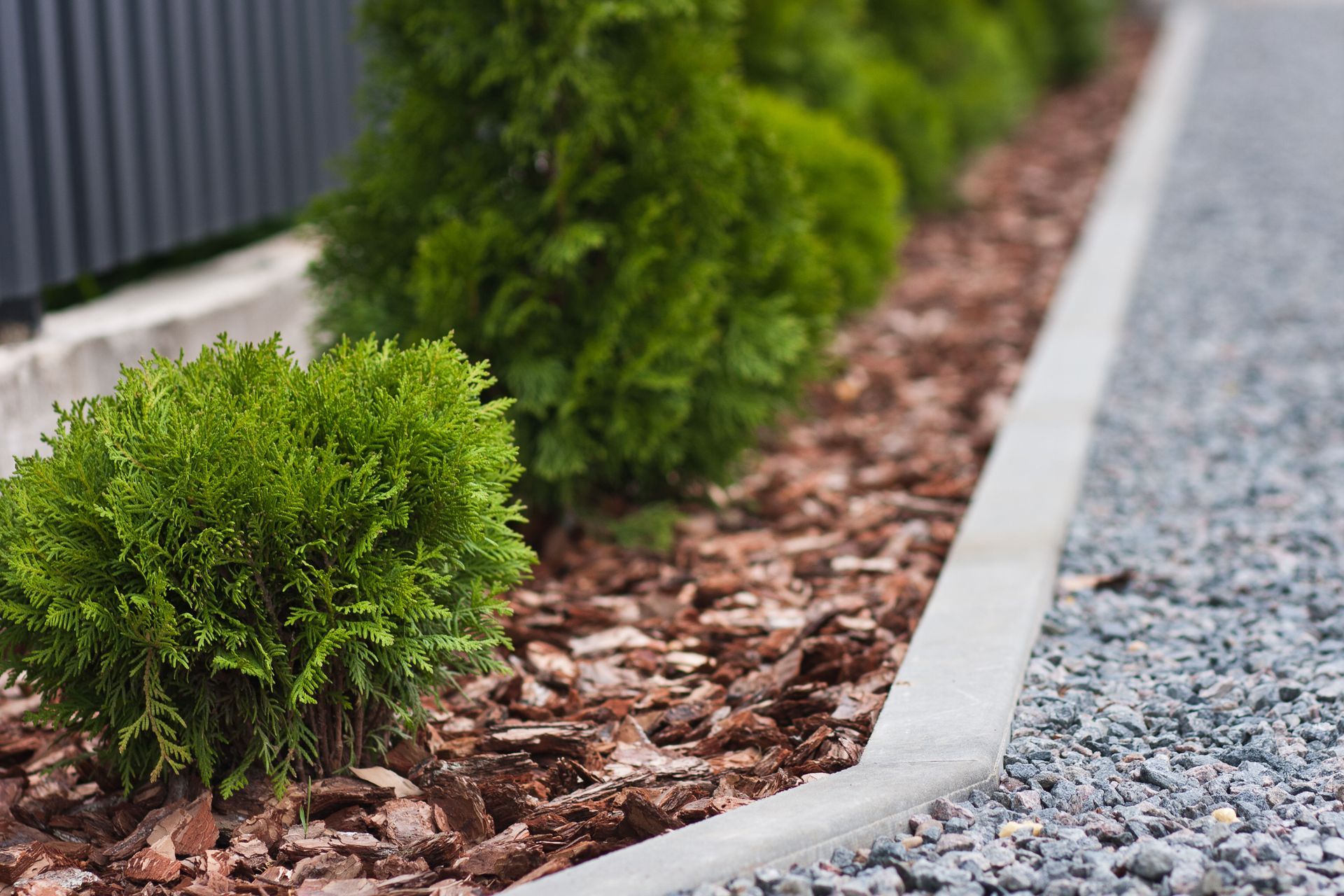
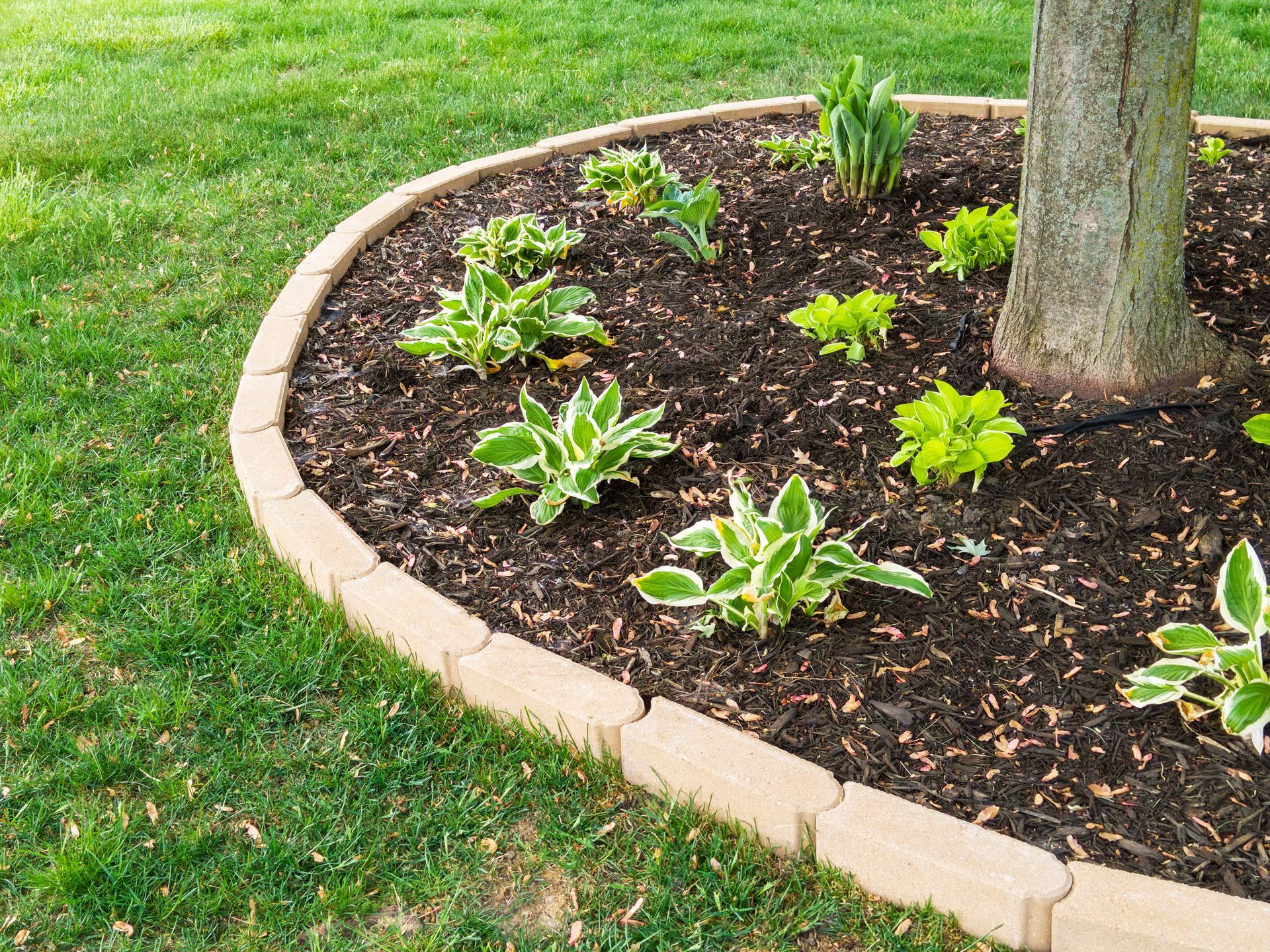
Mulch acts as an insulator, maintaining soil moisture and reducing soil temperature. By applying mulch around the base of the vegetation, you can significantly reduce evaporation rates and conserve water. Organic mulches such as wood chips, straw, or shredded leaves gradually decompose, enriching the soil with nutrients. Additionally, mulch helps suppress weed growth, which competes for moisture and nutrients. Proper use of mulch can thus create a more favorable microenvironment for growth during summer.
Creating Effective Shade and Wind Barriers
Temporary shade structures provide much-needed relief to vegetation exposed to excessive sunlight. Materials like shade cloth, tarpaulins, or lattice panels can be used to create these protective structures. They can be adjusted depending on the time of day and sun exposure, making them highly versatile. The key is to ensure that these structures allow sufficient airflow to prevent heat build-up underneath. For smaller areas, lightweight and easily movable options like umbrellas or temporary canopies serve as effective shields against the sun.
Trees serve as effective, natural shade providers, reducing soil and ambient temperatures. When strategically positioned, their branching architecture creates dappled shade that protects sensitive understory vegetation without completely obstructing sunlight. According to LawnStarter, a healthy tree features well-distributed branches spaced about eight to twelve inches apart. This natural shading not only benefits understory flora but also promotes biodiversity within the yard while contributing to a cooler microclimate that enhances overall resilience.
Wind can exacerbate heat stress by increasing the rate of moisture loss from leaves. Establishing windbreaks using hedges, fences, or other barriers protects vegetation from these drying winds. Robust hedges serve as living windbreaks, offering additional benefits such as aesthetic appeal and habitat for beneficial insects. Windbreaks effectively reduce transpiration stress and help maintain consistent soil moisture levels. By curbing excessive airflow, they provide a more stable environment for varieties susceptible to drought conditions.
Managing Soil Quality and Temperature
Soil composition directly affects the ability to withstand high temperatures. Amendments such as compost and well-rotted manure improve soil texture and nutrient content. By incorporating organic matter, the soil becomes more retentive of moisture, which is critical during dry spells. Well-improved soils also promote healthy root growth, enhancing the ability to garner moisture from deeper sources. Regularly working on soil amendments sets a solid foundation to thrive under heat stress.
Adding organic matter is essential for maintaining soil health during summer. Organic amendments such as compost, leaf mold, and aged manure enhance soil structure, improving water retention and aeration. As organic matter decomposes, it also releases nutrients slowly, providing a continuous supply. This ongoing nutrient release bolsters health and fortifies your landscape against heat stress. Regular application of organic matter significantly enhances overall quality, making your landscape more resilient.
Maintaining an appropriate soil pH is vital for optimal nutrient availability, especially under stressful conditions like extreme heat. Different varieties have preferred pH ranges, and deviations can impede nutrient absorption. Regular testing helps you determine if soil amendments are needed to adjust pH levels. Lime or sulfur can be used depending on whether you need to raise or lower soil pH, respectively. When picking up a test kit at a plant store, ensuring that your soil pH remains optimal during summer helps sustain long-term vitality.
Choosing Resilient Plant Varieties
Certain flower species are renowned for their ability to withstand high temperatures and harsh sunlight. Varieties such as lavender, zinnias, and coneflowers thrive in full sun and handle prolonged heat beautifully. These options not only add vibrant colors but also invite pollinators, enhancing biodiversity. Heat-resistant flowers are well-adapted to arid conditions, exhibiting minimal wilting and maintaining their form during hot spells. By selecting these varieties, you ensure a steadfast display of blossoms all summer long.
Growing vegetables during summer requires choosing varieties that can endure heat while still producing bountiful yields. Vegetables such as tomatoes, peppers, and eggplants are inherently resilient to high temperatures. With proper care, these varieties produce a constant harvest even during peak heatwaves. Utilizing drip irrigation and mulching techniques further bolsters their ability to thrive. Selecting hardy vegetable varieties ensures gardeners secure a productive and rewarding summer harvest.
Summer can be an intense period for your garden, but with the right techniques and preventive measures, your greenery can thrive even in the hottest conditions. By understanding specific needs, optimizing watering techniques, creating shade, managing the soil, selecting the right varieties, and keeping pests at bay, you can enjoy a lush and healthy landscape all summer long. Knowledge and preparation are paramount in navigating these seasonal challenges. Cultivate resilience, let your landscape flourish, and adapt to the summer elements with care and dedication. For more information about the services that we offer, reach out to our incredible team at S & S Landscaping today!